Feedback is valuable in letting an employee know their hard work shows results or the areas they may need to improve. It is a tool to learn about the areas of improvement and ways one can work on them. Another aspect of feedback is the presentation and guidelines to handle feedback. Moreover, it is necessary for the growth of an individual and the team of an organization.
There should be a set framework for the feedback for everyone to follow to benefit the whole organization. Therefore, it is vital to learn how to design a process of constructive feedback in the team. The positive feedback helps the company as well as the employee to put in more efforts. You may need a detailed guide if you are hiring programmers for a startup along with a great feedback policy.
What is positive feedback?
Positive feedback involves a strategy that focuses on insights over employees’ work in a constructive manner. You may need to provide positive criticism without making a person feel targeted and incompetent. This way, it can help in keeping the feedback professional and improve employee engagement.
Both organization and workers can feel rewarded with this positive interaction of feedback as it is a two-way street. According to an infographic by the Officevibe, about 40% of employees do not feel appreciated enough. So, this may impact their morale to work and reduce their engagement. Besides, 65% of employees prefer feedback for their work to learn about their performance.
Positive feedback helps to avoid employees from self-regulation and unnecessary criticism. It can work as a guidance network for new and old employees to work better together. As a manager, positive feedback should be a regular practice to ensure your company’s success. Moreover, millennial employees are looking for managers with leadership traits such as authenticity, boldness, connections, hunger for success, and innovation.
This symbiotic relationship between the workers and the organization increases the satisfaction and leads to positive changes. The positive reinforcements also help in assessing responsibilities and managing accountability. Furthermore, a positive feedback environment ensures that development areas are not ignored, and everyone works to fix problems with constant evaluation.
How to build a feedback culture in the company?
Feedback culture cannot be implemented overnight as it may take some getting used to. Besides, it does not show results in the initial implementation and takes everyone to understand the framework. The process will take efforts and evaluation to work. Here is how to build a feedback culture in the company.
Step 1. Nurture a growth mindset
A healthy growth approach helps an employee to work for better outcomes. It is human nature to work harder and grow when appreciated well. Moreover, it makes them feel essential and channel their energy into more development. As a manager, you may need to provide training and hold seminars to prioritize growth. You may incorporate this in the hiring process, and all the projects to assess any mistakes.
See how an employee reacts and improves to prevent the same mistake. It will allow you to understand the growth mindset of an individual. You may reward them with more positive reinforcements such as bonus, gifts, and praise. This acknowledgement will ensure that they have more dedication towards growth.
You may make this growth a part of financial rewards as it will motivate the employees. Increase the reward each time in the form of reimbursement or training opportunities. Also, see when an employee is working on their own growth personally. You may include the team in the growth of the company with vulnerability and areas to improve collectively.
Step 2. Provide a feedback framework
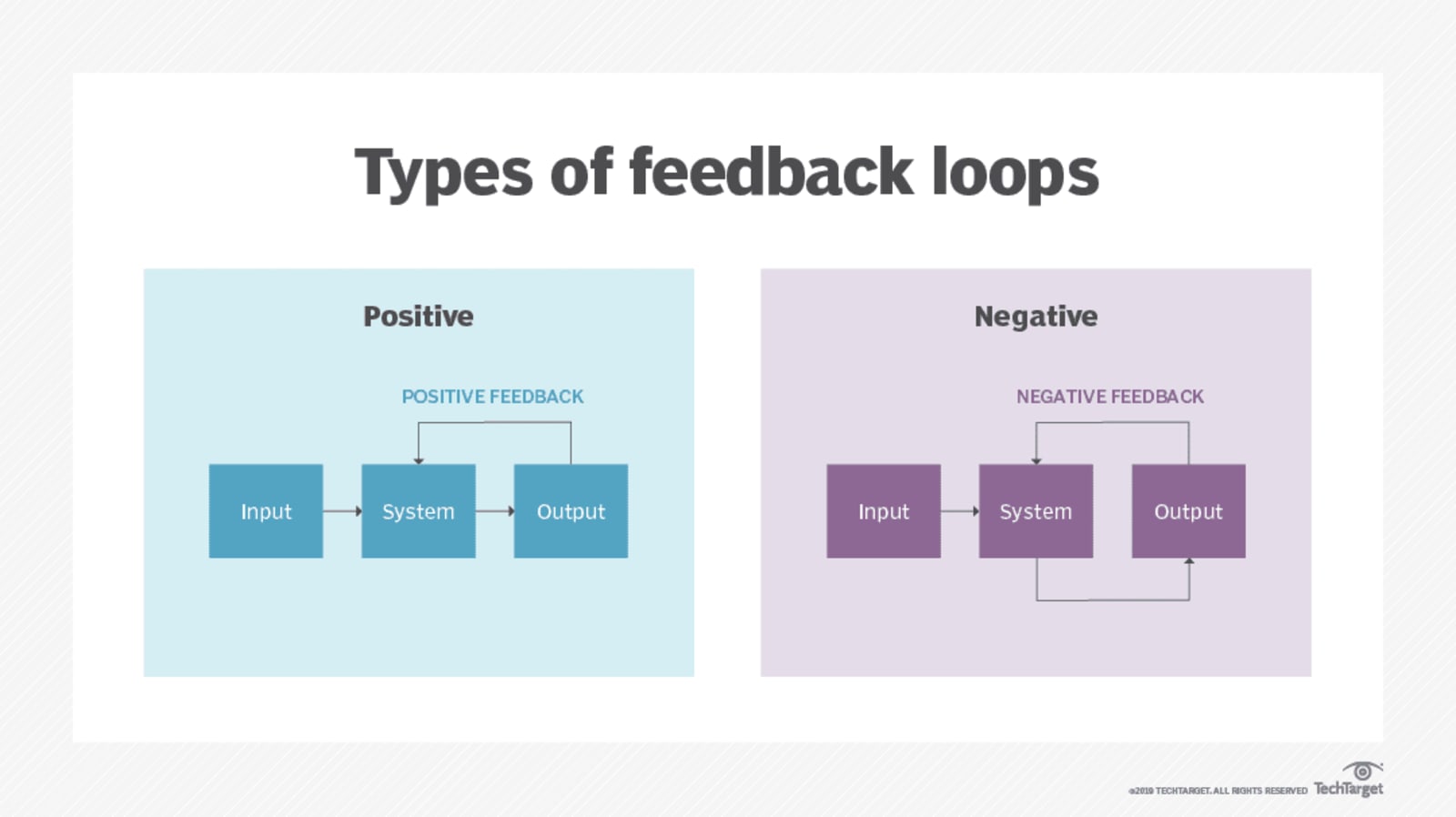
It is the organization’s responsibility to create an environment to deliver positive feedback. An employee will welcome uplifting feedback mixed with strength and weakness analysis. Also, avoid giving feedback in a stressful and negative tone in a public area as it may lead to a negative mindset. There should be a set loop for the feedback to be healthy and work in both ways.
The principles of feedback loop allow the employee to feel the encouragement and safety to work on right behaviors on their own. Everyone has some areas to improve, vulnerability with an analysis of weakness and growth may help. You may ask the employees to provide feedback from their leaders for effective supervision in each area. Ensure things such as who gives feedback, who receives it, occurrence interval, mode of feedback, and the ultimate goal.
Neal Taparia, who runs popular gaming site FreeCell-Challenge, recommends using fast feedback. “So often we have feedback to give, when you wait to deliver it, you forget what you had to say. Make sure you deliver feedback quickly so it’s relevant. Our users don’t hesitate to provide feedback for our FreeCell games, and it shouldn’t be any different within our company.”
If you are working and handling a team remotely, a feedback frame can still work. Moreover, you may emphasize individual as well as company goals to encourage employees to boost productivity from a home office. It will help the teamwork together while providing feedback at each step.
Step 3. Train feedbacks!
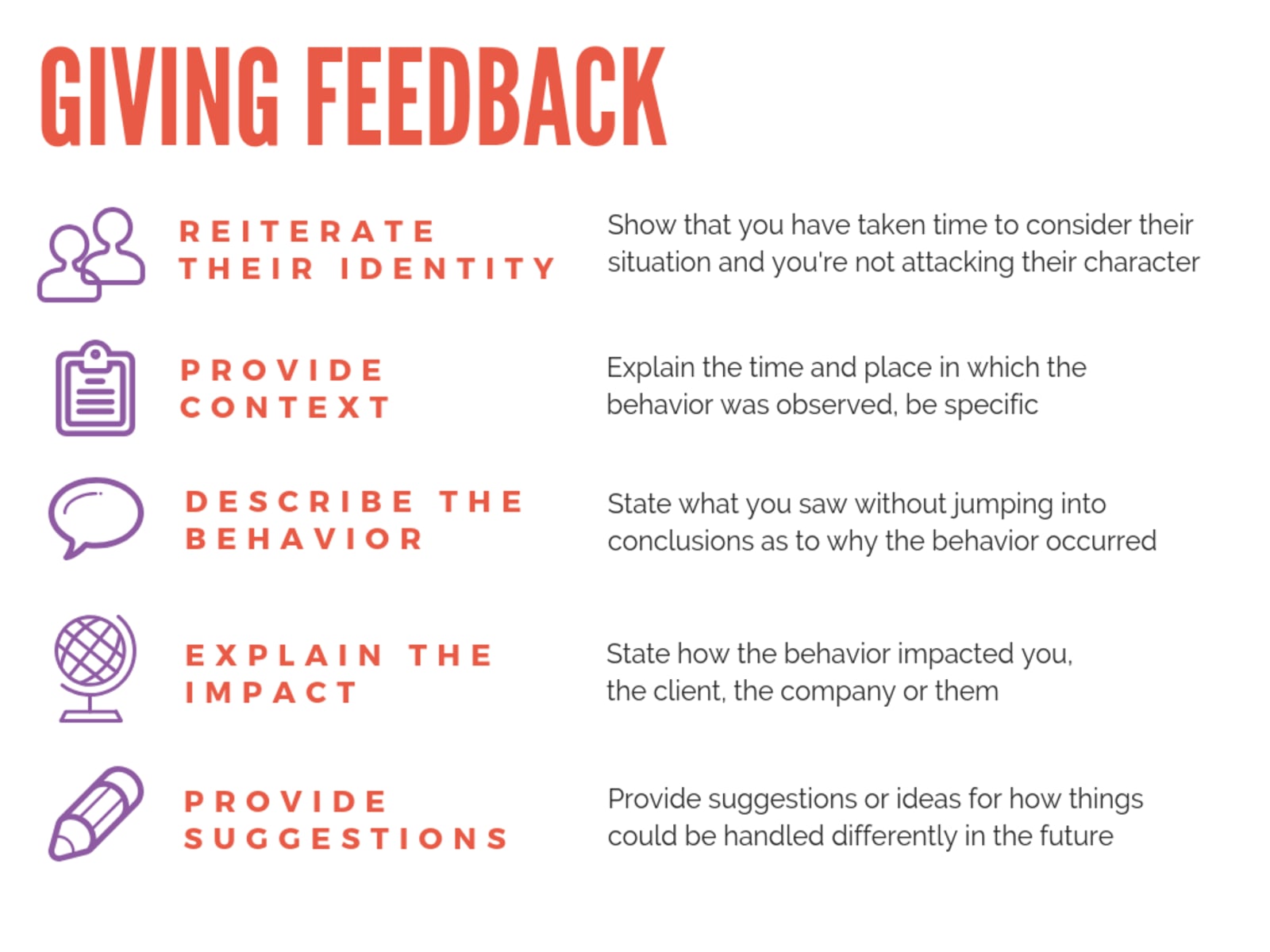
Feedback may sometimes come as criticism if not done right. So, it is essential to train the leaders and new employees on the intricacies of the feedback. You may need to provide regular training to teach everyone how to give and receive feedback. Besides, feedback channels and framework in constant practice will ensure it becomes a part of the work.
This guidance will also help in developing a healthy relationship between the teammates. The development of the teams should focus on achieving positive results with active participation. Moreover, the tone of the feedback and affirmative sentences may help the receiver take the feedback constructively. The goal is to train your team to be considerate while giving feedback to get the work done. Implement useful employee recognition software to develop an employee recognition and rewarding culture.
Also, train the employees to see the feedback as a chance to improve and see the positives in the situation. If you sense some defensiveness and aggression, you may need better training methods and suggest other productive solutions. Train employees on how to respond to feedback correctly, too. If your team members get defensive, show them how to suggest alternative solutions to problems in a productive way.
Step 4. Revise the process monthly/quarterly
There should be regular monthly or quarterly assessment to measure employee performance. It will work as a guide to see if the employee has improved as per the leader’s remarks. Besides, it is a great way to quantify the growth of the team. This may be from anonymous feedback, or you may keep track of the framework.
You may have to work on cohesion of the group and the effectiveness of these policies with some team building activities. The regular revision of the framework , policies, and results will also ensure your company works optimally. So, don’t undermine the power of continuous growth with feedback assessment.
Why is a feedback culture beneficial for your team?
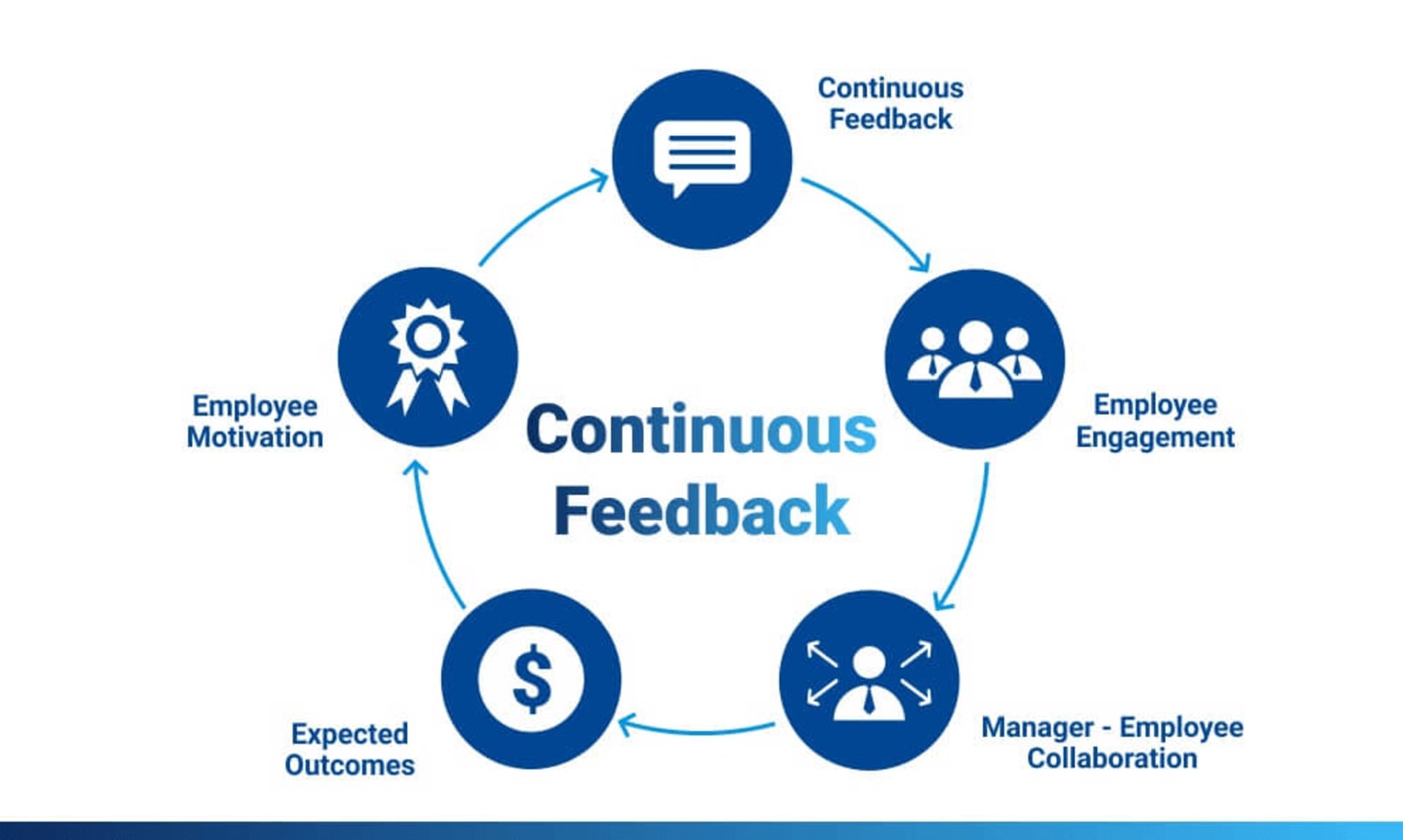
With the right approach on how to design a process of constructive feedback in the team, your organization may benefit exponentially. You may conduct meetings, surveys, and formal recognition activities. This proof of acknowledgement will help in employee retention and productivity.
Apart from this, the feedback culture gives voice to everyone and improves communication at all levels. Here are some more benefits of feedback culture:
- Helps employees feel valued and have a sense of accountability
- Leads to employee growth and overall development
- Enhances the collaborative work environment
- Creates new opportunities and ideas
Finally, be transparent with the feedback to achieve the most out of your team. However, this transparency should be justified and provide ample explanation to the employee so that it benefits all.

May 28, 2021