
Establishing an online business is only the first phase of running a successful enterprise. Great products and excellent services create loyal customers. But how do you get people to notice these in the first place?
Just like any venture, marketing should be a significant part of your operations. While traditional campaigns such as outdoor advertising are still effective, most marketing initiatives are now online.
Numerous kinds of digital marketing aim to promote different types of businesses. For instance, many online enterprises find success in e-commerce marketing.
Let’s take a look at its basics. Then, we will explore three essential types that you can launch on your next campaign.
What is e-commerce Marketing?
From a bird’s-eye view, e-commerce marketing is about bringing awareness to an online store. It aims to generate leads and sales.
A core part of e-commerce marketing is e-commerce advertising. Delivering the right adverts and messages through various digital channels increases brand awareness and website traffic, which then puts the e-commerce site owner in a better position to generate more sales.
Fortunately, most e-commerce platforms come with functionalities that facilitate some form of e-commerce marketing. Along with fully-featured marketing tools, you should be able to take advantage of different types of e-commerce marketing.
Here are three campaigns that you should initiate immediately.
Email Marketing
The good old email marketing is one of the earliest forms of digital marketing. Even with new types of online communication, email still holds significant value, especially in e-commerce marketing.
What is the best thing about email marketing? Most digital marketing applications and even some e-commerce platforms come with automated drip campaigns.
They identify various segments of your leads by their interest or their stage in your digital marketing funnel. With these tools, you do not have to manually send the emails yourself. All you have to do is set up your e-commerce marketing strategy and let the automation send the emails at the right time.
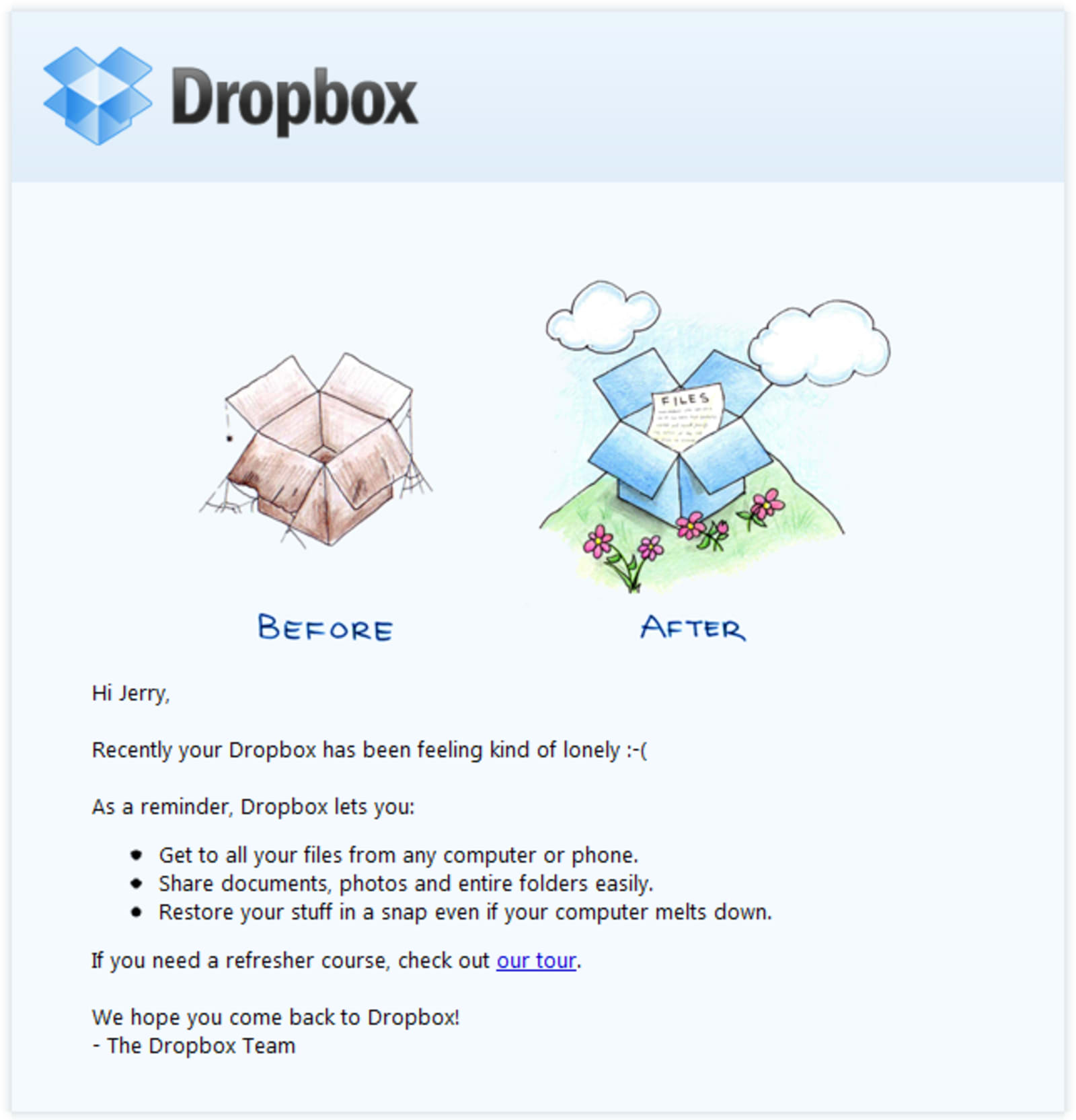
Here are two ways that you can use email marketing in your online business:
1. Abandoned Cart
Customers fail to complete their transactions for several reasons. You can use emails to diagnose the issue and retain their interest. An effective email can make a difference in turning a lost customer into a loyal patron.
If a user abandons their shopping cart, send a polite message through their email. Remind them to complete their transaction. Or offer assistance, recommend a promotion, and suggest another product to encourage them to go back to your online shop.
2. Post-Purchase Support and Follow up
A follow-up email shows a customer that you care about them beyond a single purchase. It keeps the conversation going, which builds a more meaningful relationship with them. Also, it is essential to estimate their interest and future purchases.
Consider sending an email a few days after their transaction completes. It may contain a question about your product. Better yet, encourage them to leave a review on your e-commerce platform.
Additionally, send meaningful content in the form of links to articles, videos, and other media. Share guides, how-tos, and other ways to use your product. It's also an excellent way to drive traffic to your content and website.
Search Engine Marketing
Search engine marketing (SEM) includes paid advertising and search engine optimization (SEO). It also encompasses content marketing in some ways.
SEO involves content development, outreach campaigns, and technical on-page optimizations to increase your ranking on Google searches. By developing interesting and relevant content, your website becomes easy to find—more leads coming in means more sales potential for your business.
On the other hand, paid advertising includes display campaigns, product-specific ad campaigns (for example, Google Shopping), and pay-per-click campaigns (PPC). These e-commerce marketing initiatives allow you to pay for premium spots on search engine results pages (SERPs).
Google Ads is very popular among e-commerce marketers. It promotes products through PPC campaigns. Because paid results put products right in front of the searchers, it immediately grabs their attention, which increases the likelihood of purchase.
It is not limited to search results either. Your products are advertised across different Google platforms such as YouTube. Similarly, websites that include ad spaces for Google will also show your advertisements to relevant leads.
Social Media Marketing
All types of businesses, brands, service providers, and other enterprises launch pages on numerous social media networks. These platforms make it easy for businesses to connect and engage with their customers. It also attracts attention through interesting content and shares.
Aside from creating business pages on social media, you should consider posting content regularly. e-commerce platforms easily turn your product pages into shareable content. You can attach links to relevant products in your posts.
Additionally, e-commerce marketing may look a bit different on social media. Not all social networking websites will produce enough leads. That means you should focus on the most profitable ones.
For instance, e-commerce is a very visual enterprise. After all, you need to show the products' photos and videos to grab the audience’s attention. That means you need to take advantage of imagery and its creative uses to drive traffic to your product pages.
As such, Instagram is a profitable platform for online business. It expands your reach beyond your purchase page. Additionally, high-quality photos of your products in various use cases will attract your target demographics
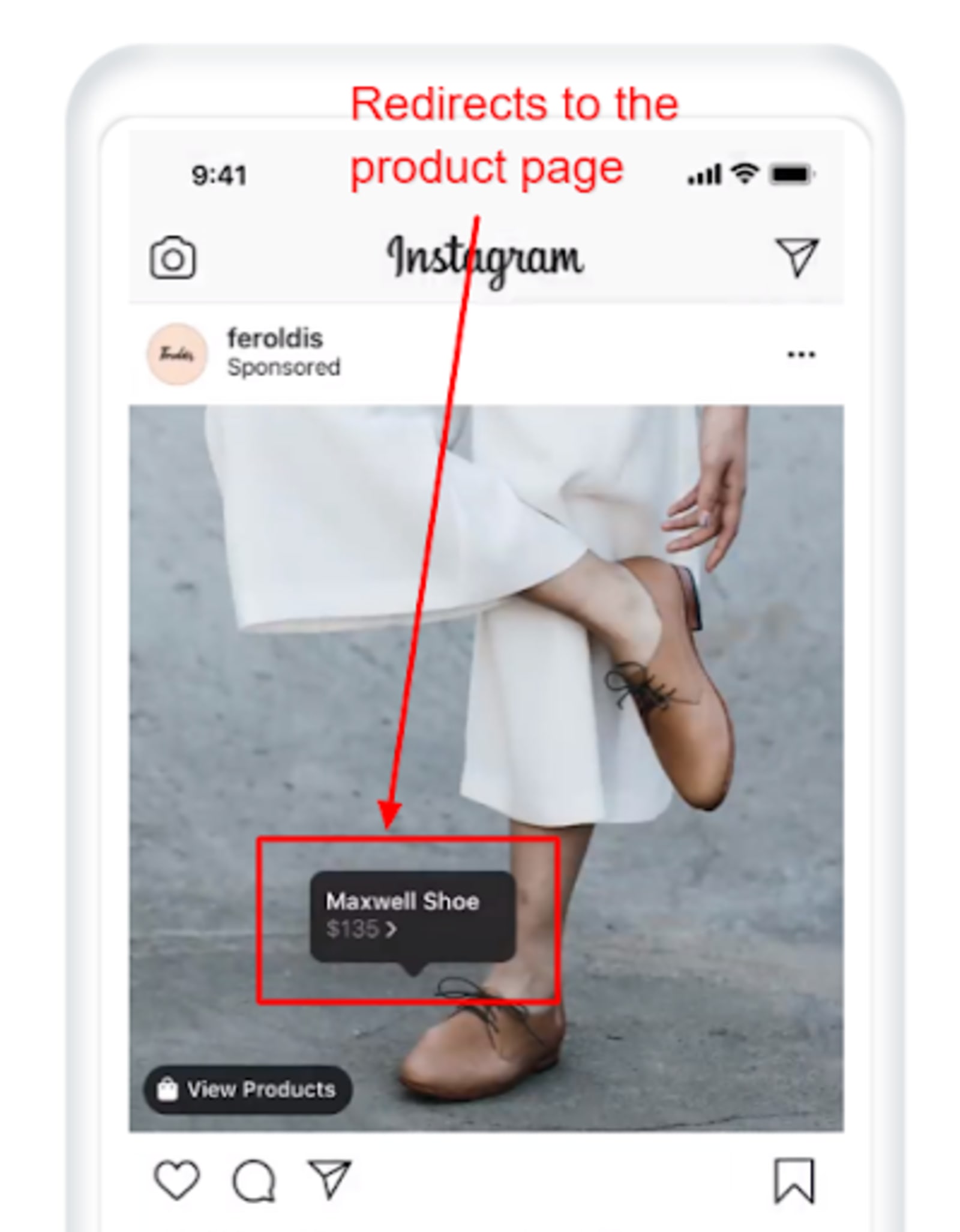
The platform even allows you to create shoppable content. You can add additional tags that redirect users directly to your online store’s shopping cart. This eliminates a lot of sales in your sales funnel, which makes purchasing much easier.
Social media is also a great tool to gather feedback and reviews. Facebook Business Pages includes rating posts where your happy customers share their experience with your products and services.
Advanced marketing tools even use artificial intelligence to gather customer feedback, even without posting reviews. Sentiment analysis collects keywords from posts relevant to your brand and products.
Then, it analyzes the attitude or the emotion of the words and phrases. Through advanced features like this, you can determine whether the reaction of your customers is generally positive, negative, or neutral.
Crafting the Best e-commerce Marketing Plan
E-commerce marketing is a combination of various digital channels and marketing strategies. Campaigns through search engines, social media platforms, and emails should be designed to attract leads towards your online shop.
Fortunately, e-commerce platforms, along with marketing tools, automate most, if not all, of the steps in marketing campaigns. All you need to do is develop and set-up your strategies. Features such as automation and artificial intelligence are smart enough to provide efficient yet personalized messaging to your audience.
Beyond these campaigns, you can also explore other popular e-commerce marketing initiatives. Affiliate marketing, influencer marketing, and localized marketing are just some of the strategies you can implement to boost your sales.